
Why Culinary Diplomacy Matters More Than Ever
CULTURAL INTELLIGENCE
Some of the most meaningful conversations between cultures no longer begin in conference rooms - they begin around a dinner table.
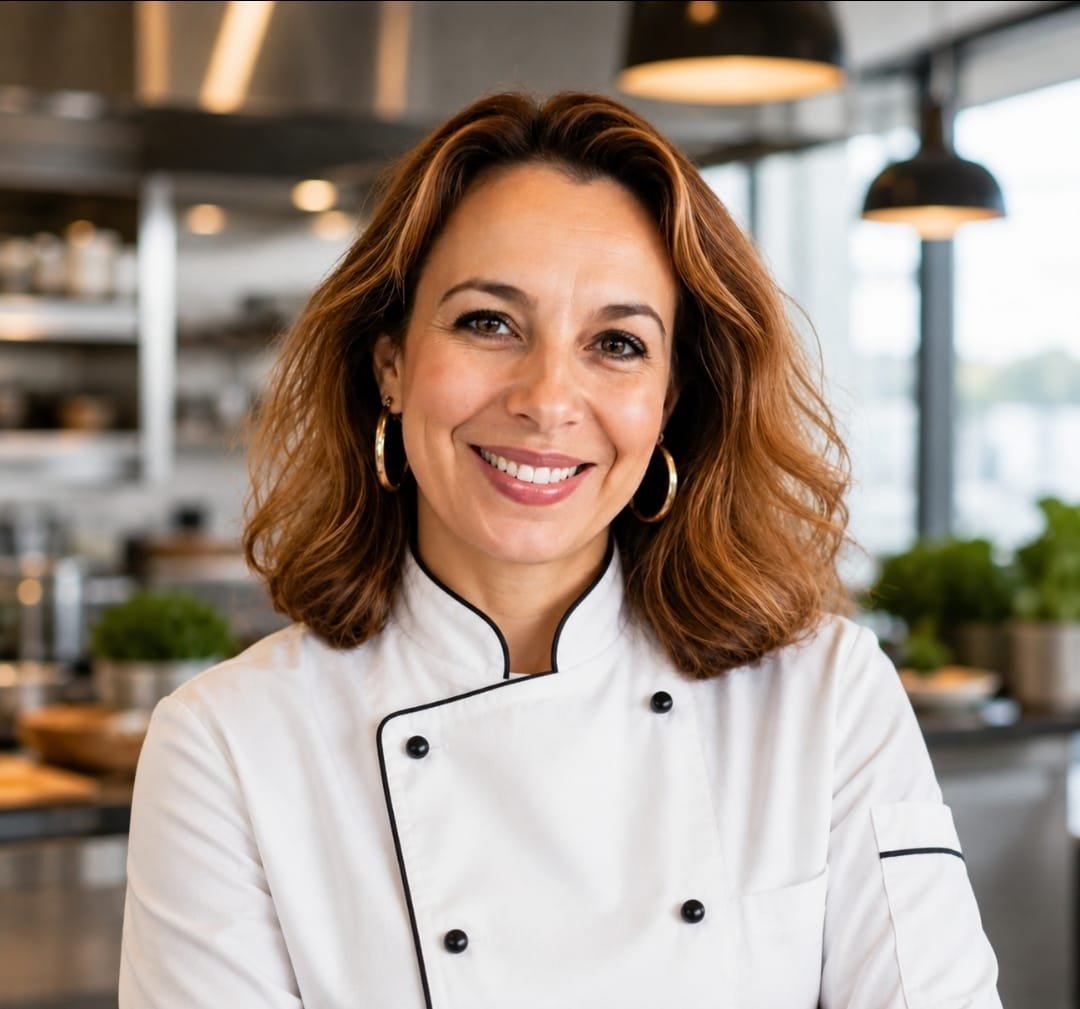
By Yvonne Maffei • August 2026 • 8 min read
Yvonne Maffei explores food as a language of culture, identity, and connection.
Food has become one of the world's most underestimated diplomatic tools.
Every day, millions of people encounter another culture not through politics, but through a meal. They visit neighborhood restaurants owned by immigrant families, shop at international markets, watch cooking videos from places they have never visited, or prepare recipes passed down through generations that are not their own. Long before people understand another country's policies, they often know its cuisine.
This is why culinary diplomacy matters.
It reminds us that culture is often understood through the senses before it is understood intellectually.
Food Is Never Just Food
Throughout history, food has connected civilizations through trade, migration, religion, agriculture, and storytelling.
The spices that traveled along ancient trade routes reshaped economies. Olive oil became both nourishment and currency throughout the Mediterranean. Coffee houses fostered intellectual exchange. Bread, rice, tea, olives, dates, and wine all became symbols of identity that crossed borders while still remaining deeply rooted in place.
Every ingredient carries a story. Every recipe carries memory. Every shared meal offers an opportunity to replace assumptions with curiosity. When we understand food this way, we begin to see that cuisine is not merely about recipes; it is about civilization.
Hospitality Is a Universal Language
Some of the most memorable moments in my travels have not been found inside famous landmarks but around ordinary tables. I've been welcomed into homes where we did not share a common language, such as the time I spent as a solo traveler in my early 20’s when I traveled to Corfu, Greece. I met an older couple sitting out front of their stone villa, with their grandchildren playing nearby. We smiled and waved, and the children came running over to meet me, the foreigner, with much excitement. I didn’t speak Greek, they didn’t speak English, yet somehow we understood each other through gestures, generosity, and the simple act of enjoying their homegrown watermelon together. They then excitedly showed me around their graden, and even the inside of their house. Out of everything on that trip, I remember these moments the most- and the taste of that watermelon that bonded us strangers together in a cherished moment.
These types of experiences stay with anyone who is fortunate enough to have them. They remind us that hospitality exists in nearly every culture, even if it is expressed differently.
Offering tea. Or watermelon! Breaking bread together, or preparing a family recipe. Insisting that a guest take another serving (my favorite).
These traditions communicate dignity, generosity, and respect in ways that often transcend words. So much so that even before we negotiate agreements, we first learn whether we can trust one another. I experienced this first hand in Turkiye when visiting a cosmetics factory. I was guided through the factory into a large conference room where tea and baklava were served, as we spoke about our families and culture before any business was ever discussed. This type of hospitality has always been one of humanity's oldest ways of building that trust, and I would also add- the smartest.
A World That Feels More Divided Needs More Human Connection
The modern world is more connected than at any point in history, yet many societies feel increasingly fragmented.
Political polarization, armed conflict, economic uncertainty, migration, climate change, and misinformation have created environments where misunderstanding spreads faster than understanding.
Food alone cannot solve these challenges, but it does create something essential that many political conversations
lack: proximity.
When people cook together, share a meal, visit local markets, or learn the agricultural traditions of another culture, they encounter real people rather than stereotypes. They begin asking questions instead of making assumptions. They get to know the source of where their food comes from, for example– and then suddenly, a face is put to a name (whether that is the farmer or the produce or meat that he brings to market).
That shift matters.
Diplomacy is ultimately built upon relationships, and relationships require opportunities for genuine human connection.
Culinary Diplomacy Extends Beyond the Plate
Too often, culinary diplomacy is reduced to state dinners or celebrity chefs representing their countries abroad. While those moments have value, the field is far broader.
Culinary diplomacy includes farmers preserving traditional crops, artisans protecting regional food heritage, educators teaching food literacy, researchers examining sustainable food systems, entrepreneurs introducing authentic products to new markets, and communities using food to welcome newcomers.
It also includes conversations about food security, nutrition, agricultural innovation, environmental stewardship, biodiversity, public health, and cultural preservation.
Food sits at the intersection of all of these issues, and that is why it deserves a place in conversations about international cooperation and global development.
Cultural Intelligence Begins at the Table
One of the greatest benefits of exploring another cuisine is not simply discovering new flavors.
It is developing cultural intelligence.
Every cuisine reflects geography, climate, history, trade, faith, economics, and tradition. Understanding why people eat what they eat often reveals far more about a culture than memorizing historical dates or political systems.
Food encourages observation before judgment, listening before speaking, curiosity before certainty. Those qualities are increasingly valuable, not only for diplomats, but for business leaders, educators, travelers, entrepreneurs, and anyone working across cultures.
Looking Forward
The future of diplomacy will require more than policy expertise. It will require empathy, cultural literacy, the ability to recognize our shared humanity while respecting our differences.
Food cannot eliminate conflict, nor can it erase history or solve every political disagreement, but it can open doors that might otherwise remain closed.
A shared meal has a remarkable way of turning strangers into guests, guests into friends, and conversations into lasting relationships, and in a world searching for common ground, that may be one of the most important places to begin. At its heart, culinary diplomacy is not simply about cuisine; it is about people.And people have always gathered around the table long before they gathered around negotiating tables.
"Culture begins where curiosity replaces assumption, and every shared meal is an invitation to understand another way of seeing the world."
— Yvonne Maffei
CONTINUE THE CONVERSATION
Receive thoughtful essays exploring culture, diplomacy, food, and the Mediterranean world.
RELATED READING

CULTURAL INTELLIGENCE
How landscapes, traditions, migration, and memory shape not only what we eat, but who we become.

CULTURAL INTELLIGENCE
Protecting traditional foods is about far more than preserving recipes…
GLOBAL FOOD ECONOMY
Beyond certification and trade, the global halal food economy reveals how trust, transparency,..