
The Geography of Taste:
How Place Shapes Identity
CULTURAL INTELLIGENCE
How landscapes, traditions, migration, and memory shape not only what we eat, but who we become.
By Yvonne Maffei • August 2026 • 10 min read
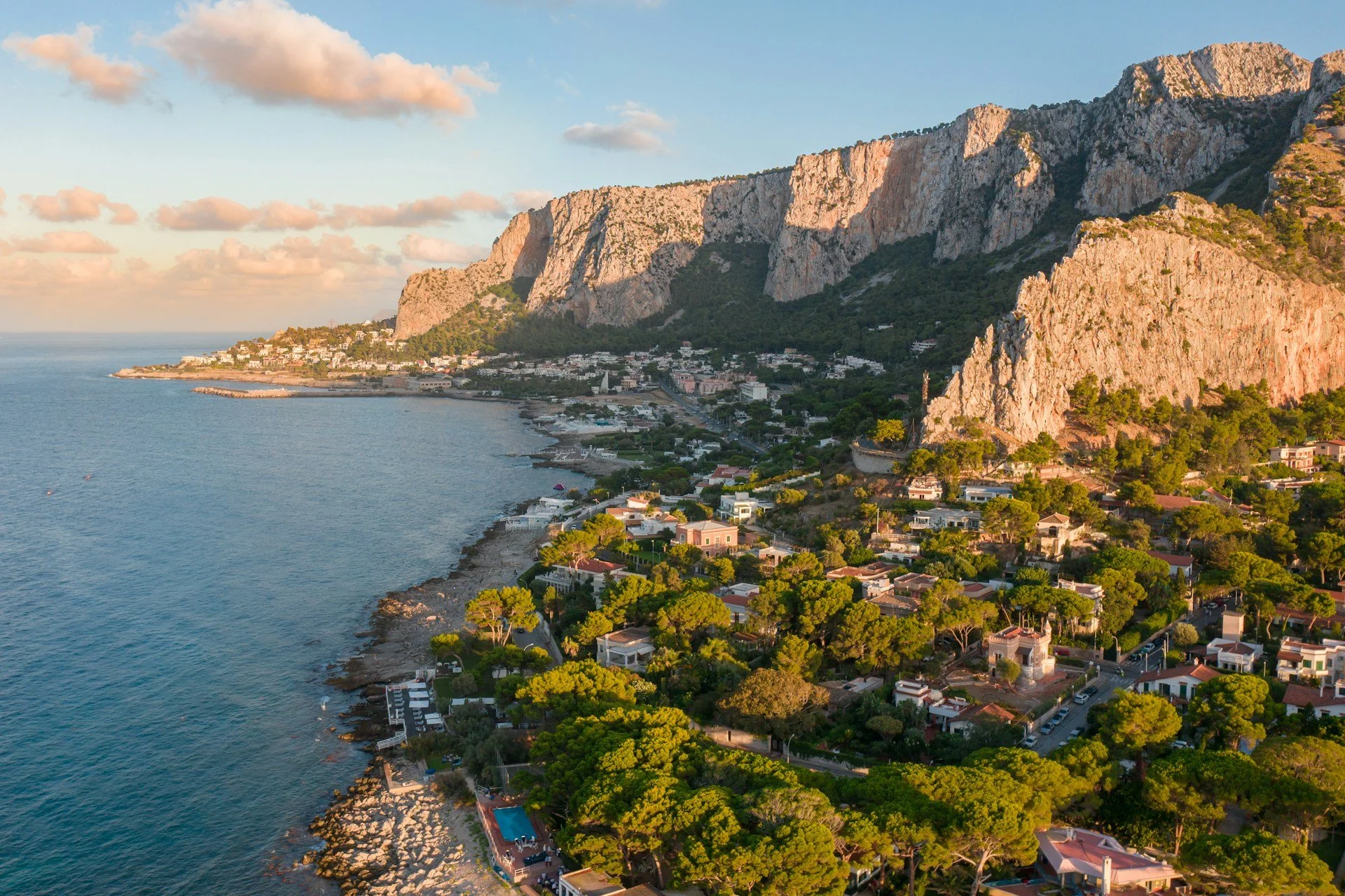
Mondello, Palermo, Sicily. The coastline where landscape, memory, and Mediterranean identity meet.
Taste Is Never Personal
There is a tendency to think of taste as something purely personal. We speak of favorite foods, preferred flavors, family recipes, and individual preferences as though they exist independently of the world around us. Yet the longer I have traveled and the more time I have spent listening to people tell the stories behind what they eat, the more convinced I have become that taste is, above all else, geographical.
The landscapes we inhabit shape the foods we grow. The foods we grow influence the dishes we prepare. Those dishes become traditions, celebrations, rituals, and memories that are passed from one generation to the next. Over time, taste becomes more than a sensory experience. It becomes part of our identity. It reflects the geography from which we came.
The Landscape Writes the Recipe
This relationship between place and taste is perhaps most visible throughout the Mediterranean. Although the region shares certain ingredients—olive oil, grains, legumes, herbs, citrus, and seafood—no two coastlines express them in exactly the same way. Geography quietly influences every decision. The mineral composition of the soil affects an olive's flavor. Mountain climates produce cheeses different from coastal plains. Trade routes introduced spices that became inseparable from local cuisines. Even the direction of prevailing winds can alter the character of vineyards and orchards.
None of these factors exists in isolation. Together they create what many agricultural producers describe as terroir—the distinctive qualities that emerge from the interaction of land, climate, tradition, and human stewardship. I have often wondered why this concept is so readily applied to wine while overlooking how profoundly it shapes nearly every other food we eat. Olive oil has terroir. Honey has terroir. Wheat, cheese, herbs, and even the bread baked from local grains all carry the imprint of the places from which they come.
Food Becomes Identity
What fascinates me most, however, is not simply how geography shapes flavor but how it shapes the people who live within it.
Communities adapt to their environments over centuries. They learn when to harvest, how to preserve food through changing seasons, and which ingredients thrive under local conditions. These practical decisions gradually become cultural habits. Meals develop rhythms. Festivals emerge around harvests. Family recipes evolve into regional identities. Before long, food is no longer merely sustenance. It becomes a language through which people express where they belong.
This is one of the reasons migration is such a deeply emotional experience. When people leave their homelands, they often carry recipes long before they carry possessions. A familiar loaf of bread, a particular spice blend, or the aroma of onions slowly cooking in olive oil can transport someone across continents in an instant. These foods provide continuity when everything else has changed. They remind us that identity is not something we leave behind when we cross borders.
I have seen this repeatedly in my own work. Whether speaking with families preserving culinary traditions in the Middle East, visiting olive producers in Türkiye, learning from cooks in Italy, or exploring regional foodways elsewhere in the Mediterranean, I have noticed that conversations about recipes rarely remain conversations about recipes. They quickly become discussions about grandparents, childhood, migration, resilience, hospitality, and home.
Food, in this sense, becomes an archive of place.
“Food, in this sense, becomes an archive of place.”
The remedy is not more research for its own sake, but better questions. What does this audience hold sacred? Where are the lines between insider and stranger drawn? What forms of hospitality build trust, and which gestures quietly break it?
Landscapes Remember
Every traditional dish tells us something about geography. A recipe developed because certain crops flourished while others did not. A method of preservation emerged because winters were long or summers were unforgiving. A seasoning became characteristic because merchants introduced it through nearby ports centuries earlier. Even ingredients that appear ordinary today often tell remarkable stories of trade, conquest, adaptation, and exchange.
This is why I find it difficult to separate food from culture or culture from landscape. They exist in constant conversation with one another. Remove a traditional food from its context, and something essential is lost. We may reproduce the ingredients with remarkable accuracy, but the mountains, coastlines, villages, orchards, and generations of accumulated knowledge that gave the dish its meaning cannot be replicated so easily.
Identity Evolves
At the same time, cultures are never static. Throughout history, migration, commerce, and diplomacy have continually reshaped regional cuisines. The Mediterranean itself offers countless examples of this exchange. Tomatoes, now inseparable from Italian cooking, arrived from the Americas. Citrus traveled across empires. Coffee transformed social life from Istanbul to Venice. Spices followed ancient trade routes that connected continents long before globalization became a modern term.
Rather than diminishing cultural identity, these exchanges demonstrate its remarkable resilience. Communities absorb new influences while adapting them to local landscapes, values, and traditions. Over time, borrowed ingredients become entirely their own. Identity is preserved not by resisting change altogether but by interpreting change through the lens of place.
Reading a Landscape
This understanding also changes the way we travel.
It becomes tempting to search for famous restaurants or celebrated dishes, but I have increasingly found myself asking different questions. What grows here naturally? What has been cultivated for generations? Which ingredients appear repeatedly on local tables, and why? What stories do people tell about the foods they prepare? These questions reveal far more about a destination than any guidebook ever could.
When we begin paying attention in this way, geography transforms from scenery into narrative. Hillsides become vineyards because of climate. Coastal villages develop seafood traditions because of proximity to the sea. Olive groves flourish where generations recognized the land's potential centuries ago. Every landscape tells a story, and every meal becomes one way of reading it.
Geography Made Visible
Perhaps this is why food has such extraordinary power to connect people across cultures. Long before we understand another language, we can often understand care expressed through a shared meal. We recognize generosity in hospitality, patience in craftsmanship, and pride in tradition. Taste becomes one of the most immediate ways we encounter another person's relationship with place.
In an increasingly interconnected world, it is easy to overlook these local distinctions. Ingredients are shipped across continents, recipes circulate instantly online, and restaurants recreate cuisines thousands of miles from their origins. There is tremendous beauty in this accessibility, but there is also value in remembering where foods come from and the landscapes that shaped them. Doing so deepens our appreciation not only for what we eat but also for the communities who have preserved these traditions over generations.
The geography of taste ultimately reminds us that identity is never formed in isolation. It emerges through an ongoing relationship between people and the places they inhabit. Mountains, rivers, coastlines, forests, orchards, fields, and villages all leave their mark upon us, often in ways we scarcely notice until we travel elsewhere.
Perhaps that is why the most memorable meals are rarely memorable because they are elaborate. They stay with us because they could only have been prepared in that particular place, by those particular hands, using the gifts of that particular landscape. In that moment, taste becomes more than flavor. It becomes geography made visible, culture made tangible, and identity shared across the table.
"In that moment, taste becomes more than flavor. It becomes geography made visible, culture made tangible, and identity shared across the table."
— Yvonne Maffei
Receive thoughtful essays exploring culture, diplomacy, food, and the Mediterranean world.
CONTINUE THE CONVERSATION
RELATED READING
CULTURAL INTELLIGENCE
Why Protecting Traditional Foods Protects Communities
Protecting traditional foods is about far more than preserving recipes…

CULINARY DIPLOMACY
What food has always known about building trust across borders.
GLOBAL FOOD ECONOMY
The Geoeconomics of the Global Halal Food Economy and Its Impact…
Beyond certification and trade, the global halal food economy reveals how trust, transparency,..