
The Olive Tree as a Diplomatic Symbol Across the Mediterranean
CULTURAL INTELLIGENCE
A tree rooted in the soil of many nations, carrying centuries of peace, memory, and shared civilization. (Adapted directly from the article's opening themes.)
By Yvonne Maffei • August 2026 • 9 min read
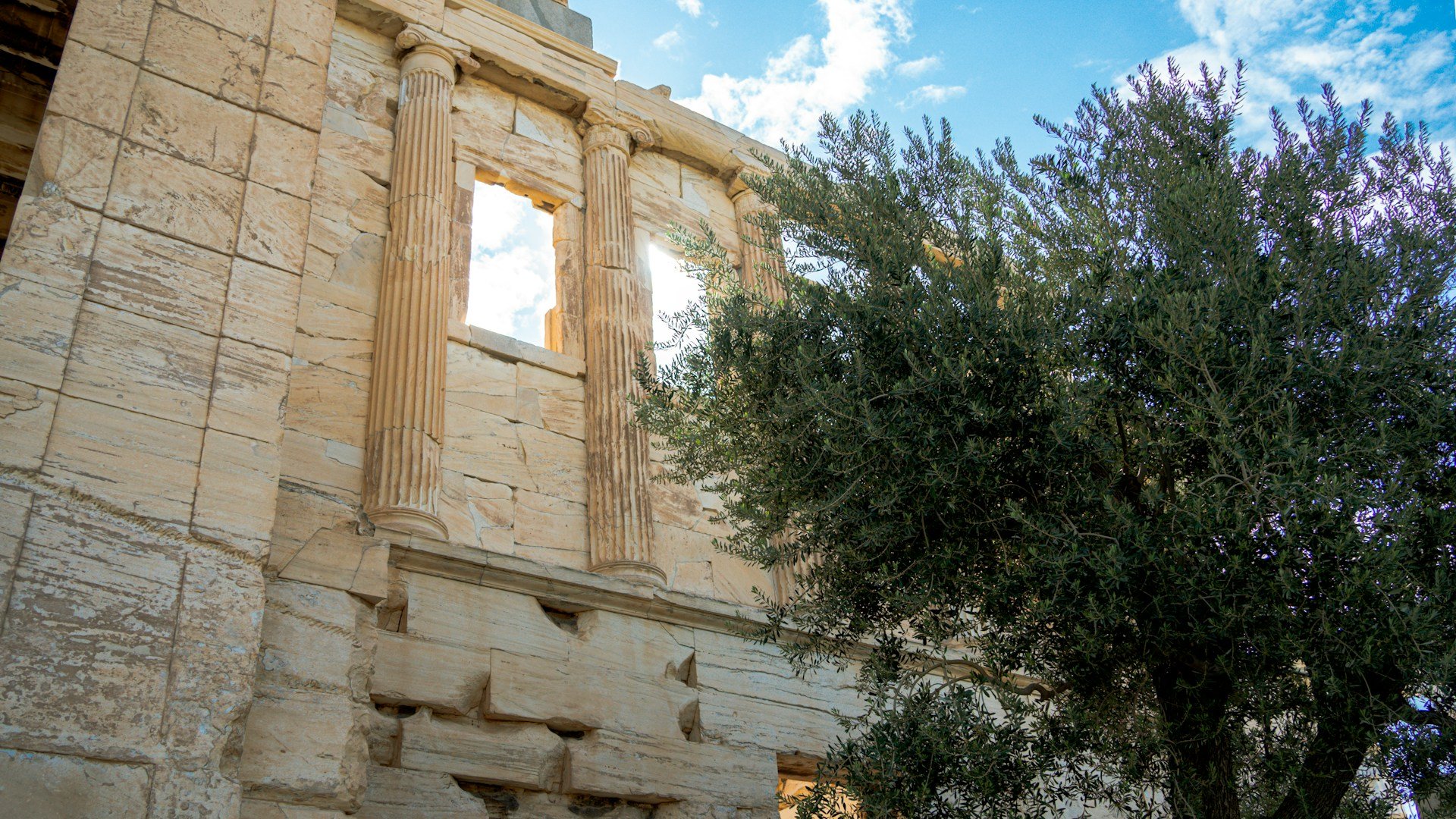
Beneath the enduring stones of Athens, the olive tree remains a quiet witness to centuries of culture, dialogue, and civilization.
More Than a Tree
For thousands of years, the olive tree has stood quietly at the center of Mediterranean civilization. Long before borders divided the region into modern nation states, olive groves connected communities through trade, agriculture, faith, and shared customs. From the hills of southern Spain to Greek island, the Aegean coast of Türkiye to the hills of Jordan and Palestine, all the way into North Africa, Italian countryside, Provence- generations have cultivated the same blessed tree, often using methods passed down through generations, often by storytelling, looked upon as ancient wisdom.
To speak about the olive tree is, of course, to speak about food. But it is also to speak about something much larger. The olive tree represents continuity. It survives wars, political upheaval, changing empires, and shifting economies. It outlives those who plant it, becoming a gift from one generation to the next. In many parts of the Mediterranean, an olive grove is not simply farmland. It is family history, cultural memory, economic livelihood, and a sort of spiritual inheritance all woven together.
Peace Takes Root
Perhaps this is why the olive branch has become one of humanity's most enduring symbols of peace. Across civilizations, it has represented reconciliation after conflict and hope after hardship. We often encounter it in diplomacy through official emblems, international organizations, and ceremonial gestures, but its meaning was established long before it appeared in diplomatic protocol. The olive branch earned its place because communities throughout the Mediterranean understood that peace was necessary for the harvest. Trees require patience. They demand stability. They remind us that the work we do today is often intended for people we may never meet.
The Language of Exchange
The Mediterranean has always been a place of exchange rather than isolation: ideas, languages, spices, textiles, architectural traditions, scientific discoveries, and culinary techniques have crossed its waters for millennia. Olive oil traveled alongside them. The oil moved between ports as valuable commodities, but they also carried something less tangible: relationships. Trade encouraged familiarity. Familiarity fostered understanding. Merchants often became cultural ambassadors long before governments formalized diplomatic missions.
It is tempting to think of diplomacy as something reserved for heads of state gathered around polished conference tables, yet some of the most meaningful diplomatic moments occur far from official negotiations; instead they happen when a family welcomes strangers into their home for a meal, or when farmers share cultivation techniques across borders, when chefs preserve recipes that tell the story of migration, or when communities recognize pieces of themselves in one another despite speaking different languages. The olive tree has quietly accompanied these exchanges throughout history. It’s been listening to civilizational dialogue for as long as they’ve been in existence.
"Every bottle reflects geography, climate, craftsmanship, and centuries of accumulated knowledge."
The Olive Oil Story
This is one of the reasons I have come to view olive oil differently over the years. My appreciation no longer rests solely on its culinary qualities or even its remarkable health benefits. Instead, I see olive oil as one of the Mediterranean's most eloquent storytellers. Every bottle reflects geography, climate, craftsmanship, and centuries of accumulated knowledge. Every harvest tells us something about resilience, perseverance, tradition. Every regional variety speaks in its own distinct voice while still belonging to a much larger Mediterranean conversation.
The Humility of the Olive Tree
There is also a remarkable humility about the olive tree. Unlike many symbols of power, it does not announce itself with grandeur. It grows slowly. It twists and bends with age. Its trunk becomes weathered rather than polished, shaped by seasons instead of human design. Yet some olive trees continue producing fruit after hundreds, even thousands, of years. Their endurance offers a lesson that many diplomatic efforts strive to achieve: lasting relationships are rarely built quickly. They develop through consistency, mutual care, and a willingness to remain rooted even when circumstances become difficult.
A Shared Spiritual Heritage
Throughout the Mediterranean, different faith traditions also recognize the olive tree as a symbol of blessing and renewal. It appears in the sacred texts and traditions of Judaism, Christianity, and Islam, creating a rare point of shared spiritual heritage across communities that have not always lived peacefully together. While interpretations differ, the tree itself reminds us that these civilizations have far more intertwined histories than our modern political narratives sometimes acknowledge.
This shared inheritance presents an opportunity. At a time when public discourse often emphasizes division, the olive tree reminds us of a common cultural landscape that predates many of today's political boundaries. It invites conversations that begin not with disagreement but with shared stewardship of the land, respect for agricultural traditions, and appreciation for the people who continue cultivating it. These may seem like modest starting points, yet diplomacy often begins with recognizing common ground before attempting to resolve differences.
A Mediterranean Conversation
In recent decades, governments, cultural institutions, and international organizations have increasingly recognized food as an instrument of diplomacy. Shared meals, culinary exchanges, agricultural partnerships, and heritage preservation initiatives all contribute to strengthening international relationships. The olive tree naturally belongs within these conversations because it already occupies a unique place in the cultural imagination of the Mediterranean. It speaks a language that people across borders understand instinctively.
When I visit olive-growing regions, I am always struck by how familiar they feel despite their differences. The accents change. The architecture shifts. The local dishes evolve from one coastline to the next. Yet the rhythms of harvest, the care given to ancient groves, and the pride people take in producing the best olive oil they can, remain remarkably consistent. These shared rhythms reveal something profound about the Mediterranean. It is not a collection of isolated cultures, but an ongoing dialogue between neighboring civilizations that have influenced one another for thousands of years.
Perhaps that is the olive tree's greatest diplomatic lesson. It reminds us that identity and connection are not opposites. A Greek olive grove does not become less Greek because olive trees also flourish in Italy or Türkiye. A Sicilian producer does not lose their heritage because similar traditions exist across the sea. Instead, each landscape contributes its own chapter to a larger Mediterranean story—one in which distinct cultures retain their uniqueness while participating in a shared civilization.
The Quiet Work of Diplomacy
As our world continues searching for new ways to build understanding across cultures, we would do well to look toward the olive tree. Its branches have witnessed the rise and fall of empires, the movement of peoples, and the evolution of entire civilizations. Through it all, it has continued to produce nourishment, invite gathering, and symbolize peace. That quiet persistence may be its greatest diplomatic achievement of all.
The olive tree reminds us that diplomacy is not only negotiated in ministries and embassies. Sometimes it begins in an ancient grove, continues around a family table, and endures in the simple act of sharing bread, olive oil, and conversation with one another.
"That quiet persistence may be its greatest diplomatic achievement of all."
— Yvonne Maffei
Receive thoughtful essays exploring culture, diplomacy, food, and the Mediterranean world.
CONTINUE THE CONVERSATION
RELATED READING
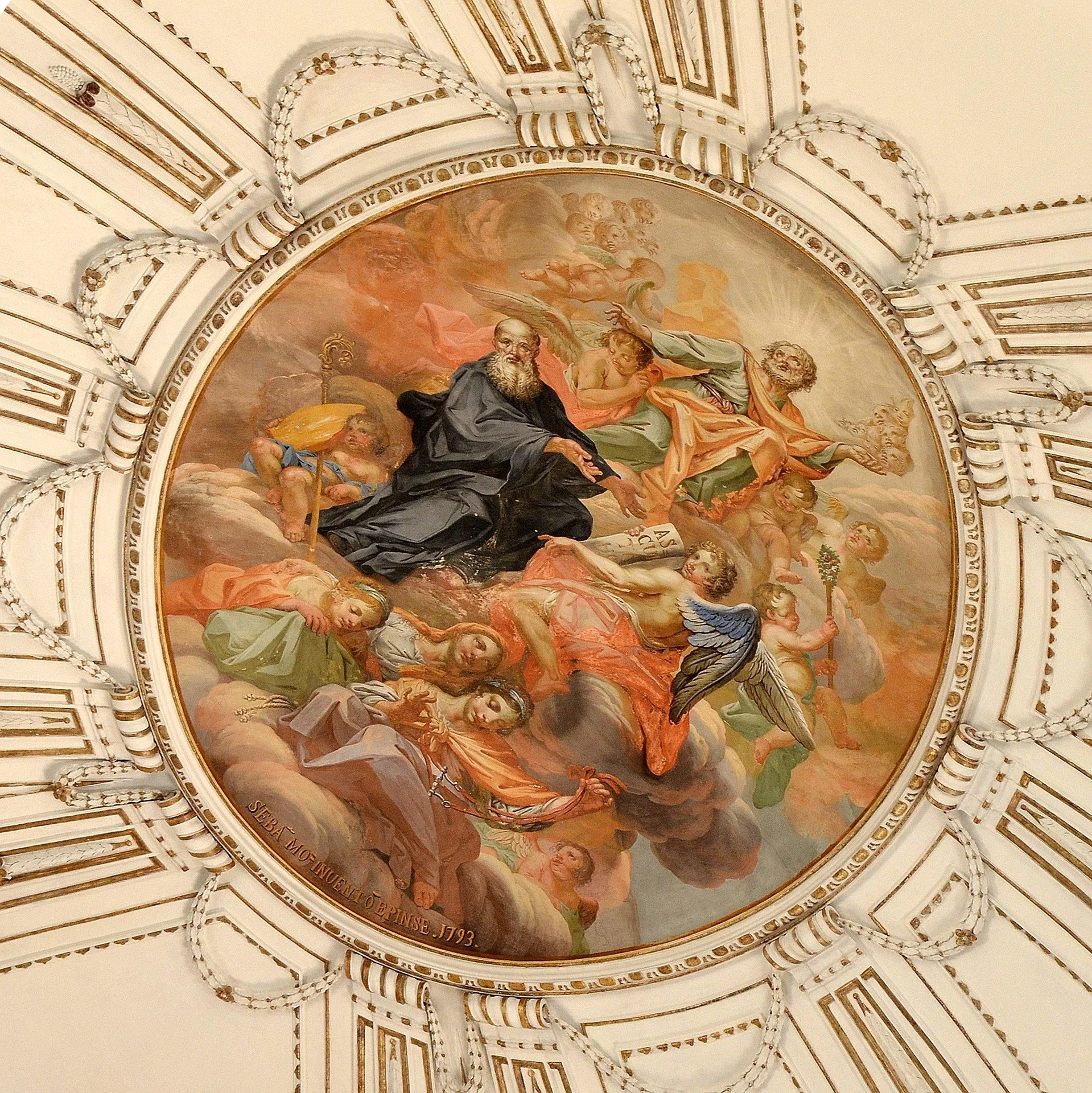
What food has always known about building trust across borders.
CULTURAL INTELLIGENCE
How landscapes, traditions, migration, and memory shape not only what we eat, but who we become.
CULTURAL INTELLIGENCE
Protecting traditional foods is about far more than preserving recipes…